
The scriptures also use models. In 3 Nephi 11:33-34, Jesus says, "And whoso believeth in me, and is baptized, the same shall be saved; and they are they who shall inherit the kingdom of God. And whoso believeth not in me, and is not baptized, shall be damned." This scripture teaches the necessity of faith and baptism.
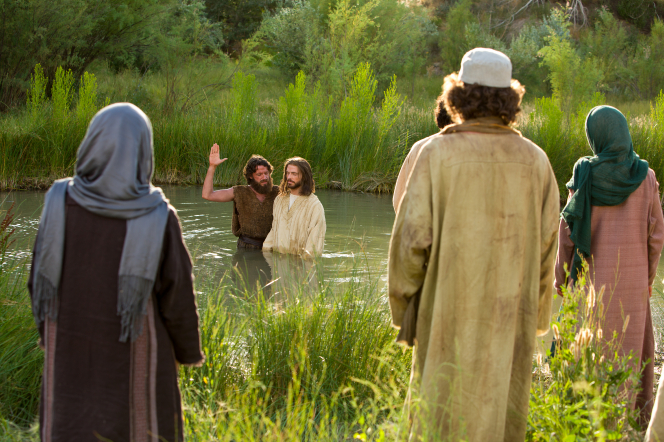
Occasionally, people get hung up on the exact details of whether a model works for every situation. Asking questions about that is necessary in order to understand varying circumstances. However, the existence of additional details doesn't take away the usefulness of the model. Models are inherently wrong; they are made to simplify the truth so that the truth is more teachable.

You might ask, "What if someone didn't get the opportunity to accept baptism?", in which case baptism for the dead can help explain (click here for more on baptism). Or you could ask, "What if someone believes and gets baptized but then abandons the gospel?", in which case explaining how to keep the baptismal covenant can help (click here for more on keeping covenants). These details don't detract from, but rather enrich the simple truth taught about the importance of baptism and faith.



No comments:
Post a Comment