Most civil (not criminal) laws are under a negligence standard. This means that you can be sued if you broke some duty that you have or you failed to act reasonably in a given activity. However, some civil laws are under a strict liability standard. This means that you can be sued for any damage you cause merely by participating in an activity, even if you were acting reasonably and the accident was somewhat random. Criminal laws impose a punishment anytime you break a law and are caught.
An example of a negligence standard rule is over medical malpractice. There is a standard that doctors are expected to practice up to, and if they fail they have to pay for the damage they caused. The term medical malpractice, instead of medical maybe-malpractice, implies that some standard has been breached. We think this rule is appropriate because we don't want doctors to be discouraged from practicing because they can be held liable even when they have not made mistakes.
An example of a strict liability rule is owning dangerous animals. If you own a tiger and it tears someone's door down, you will have to buy them a new door, even if you were acting like a reasonable tiger owner. You could be doing everything reasonable to keep your tiger from tearing doors down, and our law will make you fix torn-down doors. Why might this make sense? The economic (and hence best) reason is to reduce the level or amount of that activity. We do want to discourage tiger owning, whereas we did not want to discourage doctors from treating patients in the example above. We don't just want tiger owners to act reasonably (since tigers may still go berserk). We want tiger owners to increase their carefulness to the point that some of them will choose to not own tigers at all. It is not enough that they merely act carefully in their inherently dangerous activities.
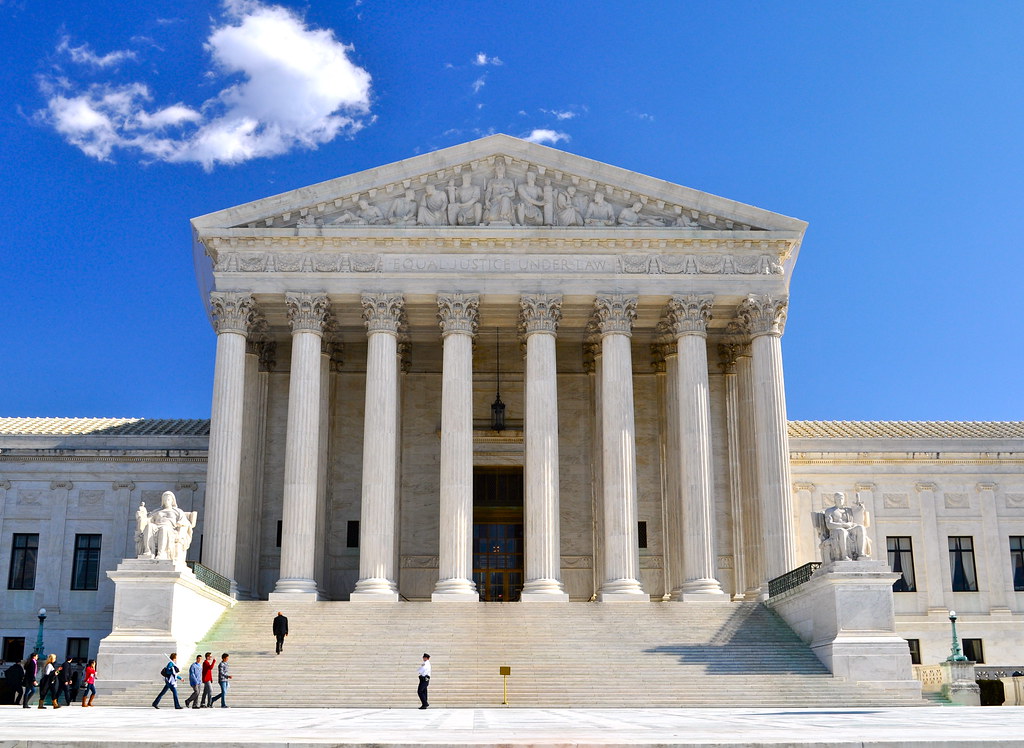
Activities which are much more clearly and consistently harmful than things like tiger-owning are simply made criminal.
What type of standard exists in the Gospel of Jesus Christ? While spiritual laws have some different goals than tort and crime (for example, obedience to the God's commandments brings positive blessings in addition to just preventing punishment), I think there are some insights we may gain by looking at some similarities.
Many commandments do not try to discourage certain activities, but rather encourage us to act well in the things we choose to do. You could say these have the same goal as a negligence standard of not discouraging the activity itself, but encouraging reasonable behavior as we do those activities. For example, we are commanded to be witnesses of God "in all places that ye may be in." In the words of Shakespeare, "What-e'er thou art, act well thy part." And from what I have seen, the Church doesn't give specific college or career direction, but just encourages us to find something we would enjoy.
I have had a hard time thinking of commandments that try to lower the amount of an activity like a strict liability standard does. Maybe a few examples are to eat meat sparingly and not sleep longer than is needful, but those are pretty uncommon. Perhaps more comparable commandments are ones like sharing the Gospel, serving, and praying, when God is not giving us an exact structure to follow, but He is trying to increase our level of activity in those things.

Some commandments treat an activity as spiritually criminal: killing, committing adultery, lying etc. Heavenly Father knows that in order to be comfortable in His presence after this life, we need to avoid these things, and use the Atonement of Jesus Christ to fully repent and receive forgiveness when we mess up.
To review, a negligence standard's purpose is to incentivize us to behave well in whichever activity we choose, strict liability's purpose is to change our level of activity, and criminal laws try to eliminate an activity altogether.
Fortunately, with all spiritual laws, I know that Jesus Christ helps us to succeed and blesses us immediately as we live in accordance with those laws.

No comments:
Post a Comment